
Digital Dental X-Rays & Imaging in Bluefield, WV
When it comes to your oral health, seeing what’s happening beneath the surface makes all the difference. At Dynamic Dental, we provide digital dental X-rays Bluefield WV patients can count on for accurate, low-radiation diagnostics. Whether you’re here for a routine checkup or preparing for a restorative procedure, our imaging tools help us spot issues early — and plan care that’s tailored to you. We accept Medicaid, and new patients are always welcome at our Bluefield office.
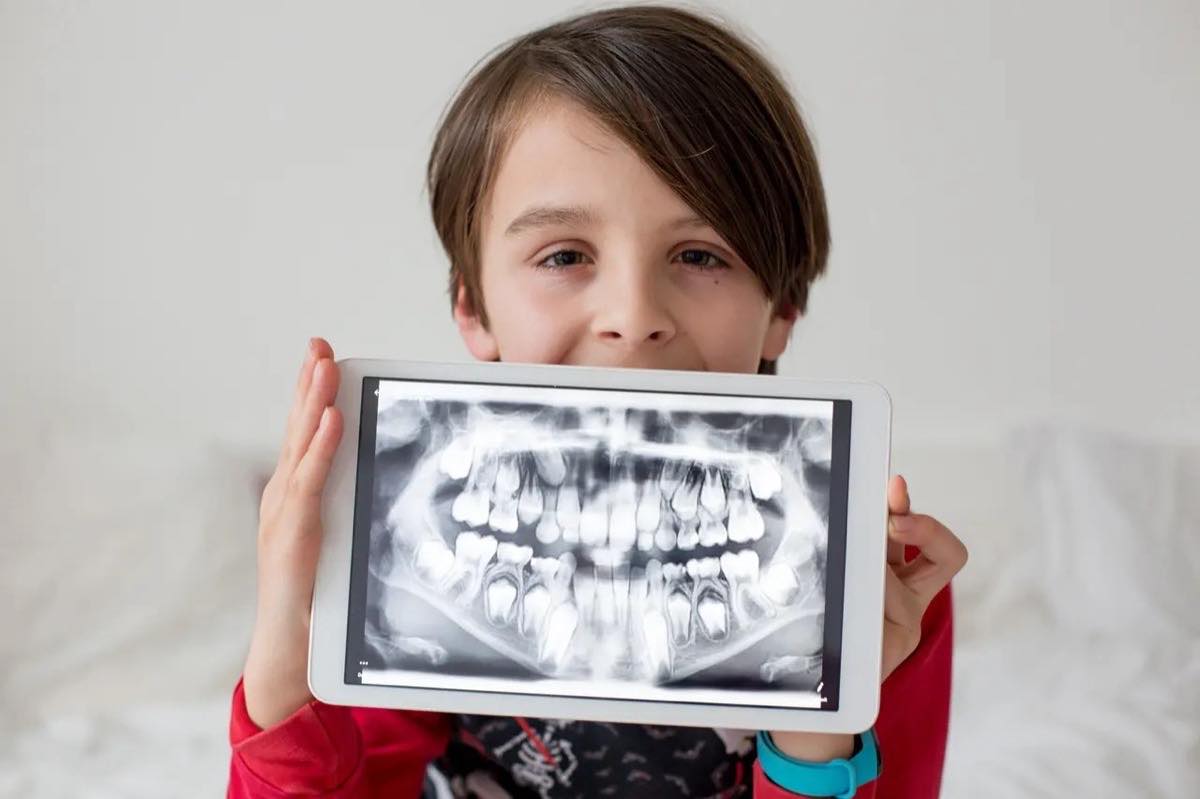
Why Digital X-Rays Are Better for Your Health
Digital X-rays are more than a modern upgrade — they’re a real improvement in how we diagnose and care for your teeth and gums. Here’s what sets them apart.
Lower Radiation, Sharper Images
Digital sensors require far less radiation than traditional film — up to 90% less in many cases. The images are instantly displayed on a computer screen, where Dr. Ethan Lafferty can zoom in, adjust contrast, and see details that film often misses. That means a more thorough exam with less exposure for you.
What We Can See That Film X-Rays Can’t
Digital imaging reveals early decay between teeth, infections at the root tip, bone loss from gum disease, and signs of cysts or tumors — all before they become visible to the naked eye. It’s a tool that helps us see what we can’t spot with the eye alone.
What Happens If Problems Go Undetected
Skipping regular X-rays can allow small cavities to grow into deep infections, gum disease to worsen unnoticed, and impacted teeth to damage surrounding bone. Catching these issues early with digital X-rays in Bluefield can save you from more complex (and more costly) treatment down the road.
Types of Dental Imaging We Offer at Dynamic Dental
We use several types of digital imaging, each suited to different diagnostic needs.
Standard Digital Bitewing & Periapical X-Rays
Bitewings show the crowns of your upper and lower back teeth in a single image, making them ideal for detecting cavities between teeth. Periapical X-rays capture the entire tooth — from crown to root — and the surrounding bone. Together, they give us a complete view of your tooth health during your routine cleanings and exams.
Panoramic X-Rays
A panoramic X-ray rotates around your head to create a single wide view of your entire mouth — all teeth, jaws, sinuses, and temporomandibular joints. It’s useful for evaluating impacted wisdom teeth, planning implant placement, and checking for jaw abnormalities.
Cone Beam 3D CT (CBCT) Imaging
Cone beam CT provides a three-dimensional view of your facial structures. We use it to assess bone density for dental implants, visualize root canals with complex anatomy, and plan oral surgery with precision. It’s a tool that brings a new level of certainty to treatment planning — far beyond what a standard X-ray can offer.
Digital X-Rays vs. Traditional Film — Which Is Better?
Digital technology offers clear advantages over traditional film in nearly every category. The table below compares the two side by side.
| Feature | Digital X-Rays | Traditional Film |
|---|---|---|
| Radiation level | Up to 90% less radiation | Higher radiation exposure |
| Image quality | Instantly adjustable, high resolution | Fixed image, limited enhancement |
| Processing time | Seconds | Several minutes (chemical processing) |
| Sharability with specialists | Instant electronic sharing | Physical copy duplication needed |
| Environmental impact | No chemicals or waste | Chemical disposal required |
| Availability at Dynamic Dental | Yes, for all imaging needs | No longer used |
The choice is clear: digital X-rays are safer, faster, and more effective. And at Dynamic Dental, we use only digital imaging to care for your smile.
How Digital Imaging Works at Your Visit
When you come in for X-rays, you’ll sit comfortably in the exam chair. A small sensor placed in your mouth captures the image, and within seconds it appears on the screen in the operatory. Dr. Lafferty can review it with you right away, pointing out any concerns and explaining your options. No waiting for film to develop — just real-time answers.
Who Needs Dental X-Rays — and How Often
Most patients benefit from bitewing X-rays once a year and a full panoramic or full-mouth series every three to five years. Children may need X-rays more frequently to track jaw and tooth development. If you have a history of cavities, gum disease, or are considering restorative work like implants or crowns, we’ll tailor your imaging schedule to your needs. Our children’s / pediatric dentistry page has more details on X-rays for kids.
Digital Imaging vs. What You’ll Find on Our Technology Page
You might wonder: if this page covers digital X-rays, what’s different about the Technology page? Think of it this way — this page is about the clinical role of digital imaging: how we use X-rays to diagnose, plan treatment, and keep you informed about your oral health. The Technology page, on the other hand, tours the full equipment ecosystem at Dynamic Dental, from intraoral cameras to iTero Lumina scanning. The two pages work together to give you a complete picture of what modern dentistry looks like at our practice. For the full equipment list and how each tool benefits your care, visit our Technology page.
Frequently Asked Questions About Digital X-Rays in Bluefield, WV
Are digital dental X-rays safe?
Does insurance cover dental X-rays?
How often should I have X-rays taken?
Do children need dental X-rays?
What is cone beam imaging used for?
Ready to see what digital imaging can do for your smile?

JOIN OUR DENTAL FAMILY
Ready to become a patient?
We’d love to meet you. Dynamic Dental is accepting new patients and we look forward to welcoming you to our Bluefield, WV dental family. Call today to schedule your first visit.